
The Victorians lived during the reign of Queen Victoria (1837 to 1901). Victoria was Queen of the United Kingdom of Great Britain and Ireland (1837-1901) and empress of India (1876-1901). Her reign was the longest of any monarch in British history and came to be known as the Victorian era. She ruled for 64 years.
The Empire
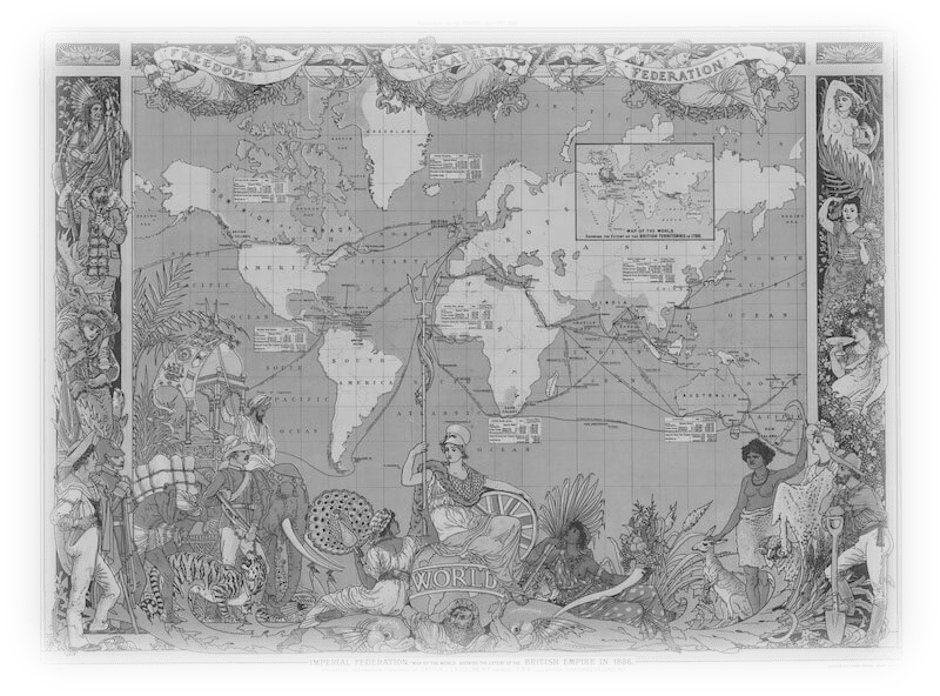
Britain managed to build a huge empire during the Victorian period. It became the richest and most powerful country in the world, with the largest empire that had ever existed, ruling a quarter of the world’s population.
A great army was needed to protect the British Empire. Soldiers were at war all over the world especially during the years 1850 – 1880. Men fought in places such as the Crimean Peninsula, South Africa, Egypt and Sudan. All men were expected to fight for their country. Some soldiers were volunteers whilst others were forced to join the army by the government.
The Royal Navy and the army were used to support the establishment of colonies, protect trading posts and fight against rivals such as the Dutch and Spanish. Britain had many factories which needed sources of raw materials and markets for finished goods. It also needed more room for population expansion. The colonies provided for these needs often at great cost to their own people.
The Industrial Revolution and the impact on Victorians
It was a time of tremendous change in the lives of British people. In 1837 most people lived in villages and worked on the land. There was no electricity, gas lamps or candles were used for light.
During the era, the number of people living in Britain more than doubled from 16 million to 37 million, causing a huge demand for food, clothes and housing. Factories and machines were built to meet this demand and new towns developed, changing the landscape and the way people lived and worked. By 1901, most people lived in towns and worked in offices, shops and factories.
Working conditions
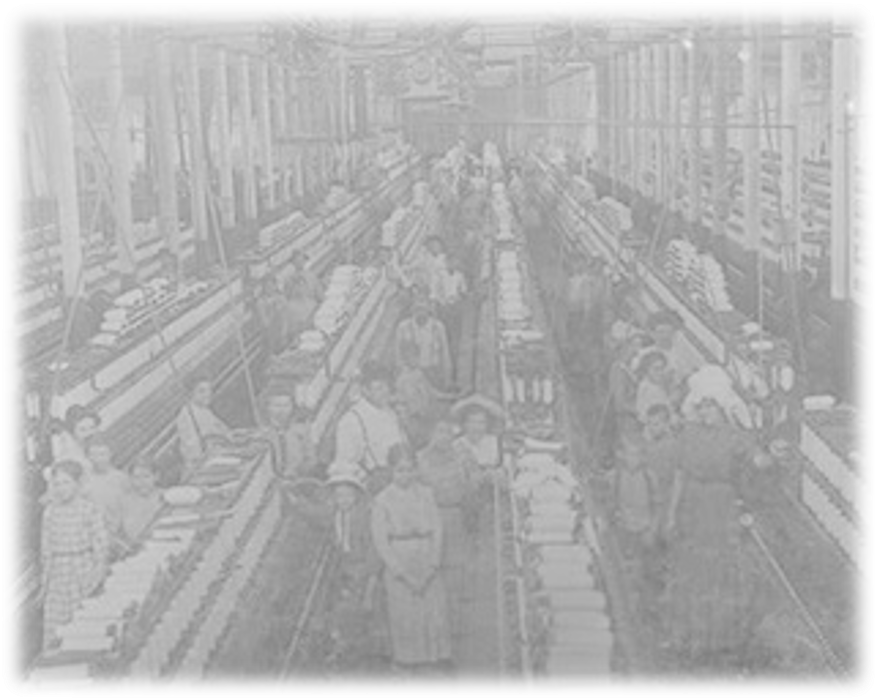
Working conditions in the factories were tough. Most people, including children worked a 12-hour day, meal breaks were short and there were no holidays. Many factory owners put profit above the health and safety of their workers. Children and young women were employed in terrible conditions in textile mills and mines. Furnaces were operated without proper safety checks and workers were deafened by steam hammers and machinery.
Pollution and disease
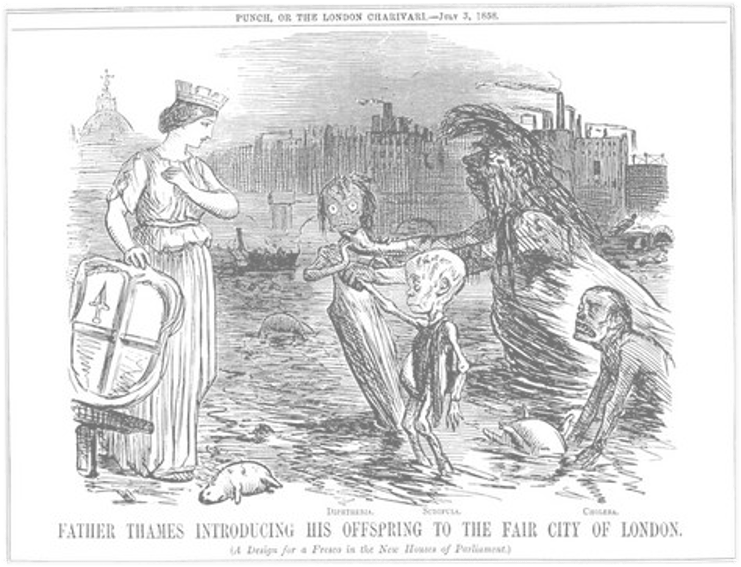
Clean, drinkable water was not readily available in the early Victorian era. It was generally polluted and considered too dangerous to drink. Whether you were a child, sick or pregnant, beer was generally accepted as being safer to drink than water. By 1860, the River Thames was full of sewage that was dumped into the water on a daily basis. Since the river was also the main source of drinking water for the city, people died by the thousands from dysentery, cholera, and typhoid.
Gradually conditions began to improve. The Victorian era was a great time of invention as well as the Industrial Revolution. Guglielmo Marconi came up with the radio in 1895. In 1876, Alexander Graham Bell invented the telephone. Other notable inventions made in Victorian Britain included the camera, the television, the vacuum, the train, the stamp, and most importantly: the toilet. In later years, towns and cities had piped water, gas and, by the end of the century, electricity installed. New cookers and gadgets for the home were invented to make domestic life easier.
Social class
Across the country, society was divided into three main classes: the upper class, the middle class, and the working class. After the Industrial Revolution, the gap between the upper and middle class narrowed. As a sign of the changing times, many middle-class households were now considered wealthy. Many wealthier households had servants.
Transport
People either walked, travelled by boat or train or used coach horses to move from place to place. Railways, originally built to transport goods, meant people could travel easily around the country for the first time. Seaside holidays became popular and the Railways brought new foods to towns and cities. At the beginning of the Victorian period crossing the Atlantic took up to eight weeks, by 1901 it took about a week.
 Lindsay & Sons General Store